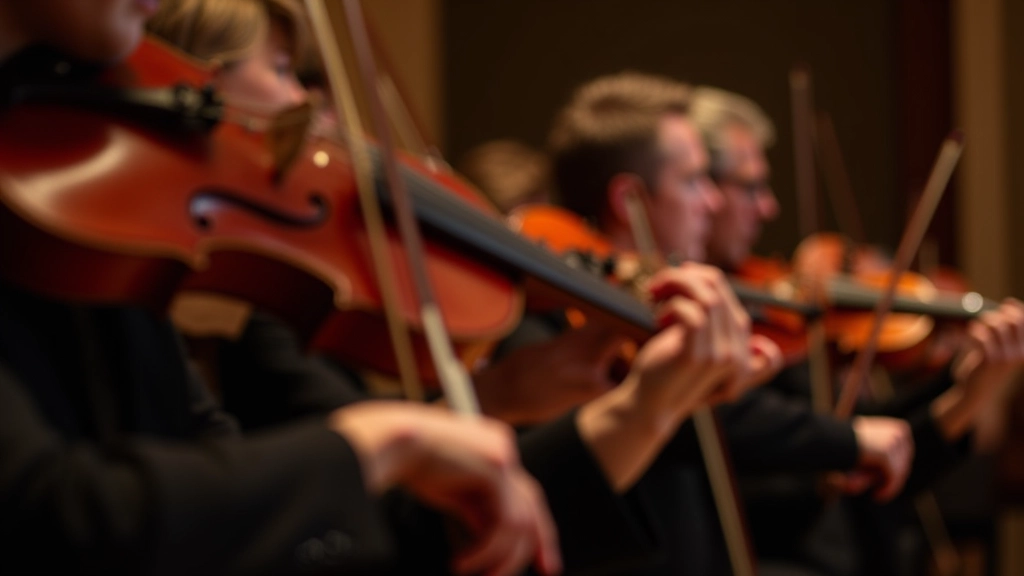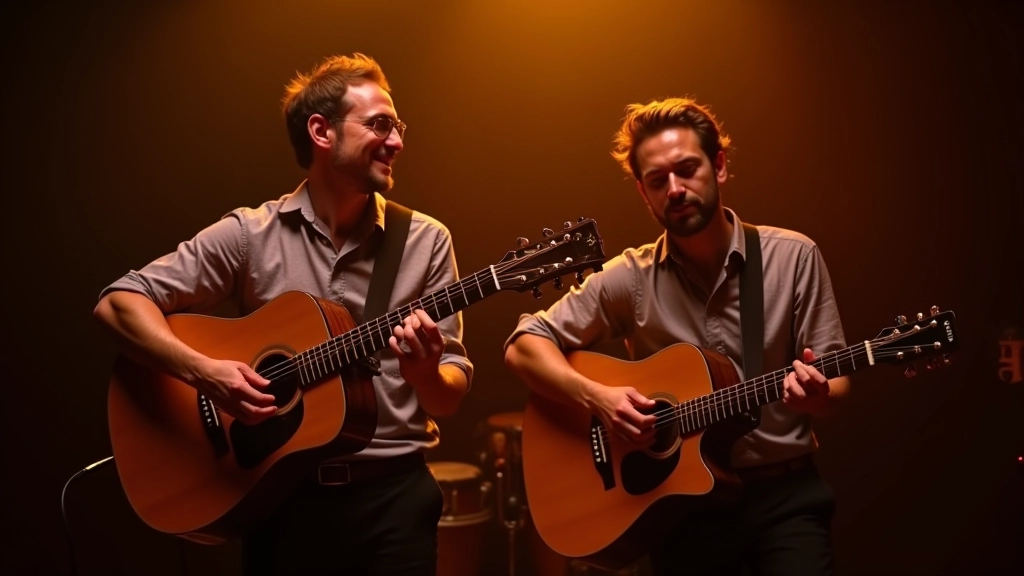
Acoustic Guitar Showcases: What to Expect
Intimate performances in Portuguese venues offer something special. We’ve explored what makes these evenings memorable for the 40-60 community.
Why These Events Matter
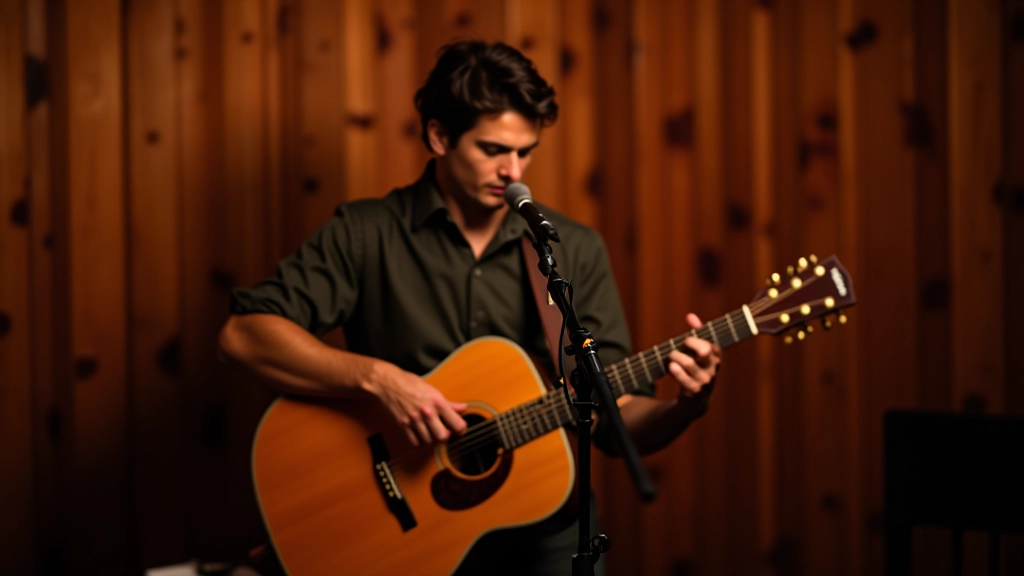
Acoustic guitar showcases aren’t your typical concert experience. They’re intimate gatherings where the performer’s technique becomes part of the conversation. You’re close enough to hear the strings resonate, to see the fingers move across the fretboard, to feel the music genuinely.
For the 40-60 audience in Portugal, these events offer something increasingly rare — a chance to experience live music without overwhelming volume or crowded venues. It’s quality over spectacle. It’s connection over distraction.
The Venue Experience
Most acoustic showcases happen in smaller venues — restored theaters, wine bars, cultural centers. The venues themselves matter. You’ll find intimate rooms seating 80-150 people, wooden floors that carry sound beautifully, and stages close enough that you’re not watching from a distance.
Seating usually comes first-come, first-served. Arrive 20-30 minutes early to get a good spot. The room temperature tends to be comfortable — these aren’t arena shows with questionable climate control. Drinks are available, often local wines or craft beers. Some venues serve light snacks.
What’s different here? No phone screens during performances. Venues actively discourage it. The audience tends to be respectful, engaged, genuinely listening. Applause happens at natural breaks, not forced after every song.
What Happens During the Show
A typical showcase runs 60-90 minutes. Most performances include one 20-minute intermission. Performers might start with traditional Portuguese fado guitar, move into contemporary fingerstyle pieces, maybe include some classical interpretations. It depends on the artist.
You’ll notice the diversity in playing styles. Classical players use precise finger techniques. Flamenco performers incorporate percussive elements — striking the guitar body for rhythm. Fingerstyle players create multiple melodies simultaneously. Each style’s completely different, and that variety keeps the evening engaging.
Most performers talk between songs. Not lengthy speeches, but genuine context. They’ll explain what inspired a piece, what technique they’re about to demonstrate, or a quick story from their career. This conversational element makes the experience feel personal rather than formal.
What Makes These Events Stand Out
Acoustic Clarity
No amplification needed. The natural resonance of the instrument fills the space. You’ll hear every nuance — the slight buzz when a string isn’t quite perfect, the subtle dynamics between sections.
Real Connection
Small audience size creates intimacy. The performer sees your reactions. You’re not anonymous in a crowd. That mutual awareness changes the energy completely — it becomes a shared experience rather than a broadcast.
Focused Listening
No distractions here. Phones stay put. Conversation pauses. The entire room focuses on the music. You’ll catch details you’d miss at larger venues — subtle timing changes, intentional pauses, the way a performer builds emotional intensity.
Discovery Opportunities
You’ll encounter artists you’ve never heard before. Local performers, international touring musicians, specialists in specific styles. Many showcases feature emerging talent alongside established names.
Social Atmosphere
These aren’t formal concert halls with rigid etiquette. People chat before the show, during intermission, afterward. You’ll meet other music enthusiasts. Venues often encourage post-show conversation between performer and audience.
Reasonable Duration
Shows typically wrap by 10-11 PM. You’re not leaving exhausted at midnight. The pacing feels relaxed rather than packed. Time for dinner beforehand, time to get home at a reasonable hour afterward.
Practical Details Worth Knowing
If you’ve never attended an acoustic showcase before, here’s what actually happens:
Venues typically open 30-45 minutes before showtime. Early arrival means better seating and time to settle in without rushing.
Most venues are in city centers or older districts. Street parking or nearby paid lots. Plan extra time if you’re driving. Public transit works well — many showcases happen near metro stations or bus lines.
Completely casual. Smart casual at most. These aren’t black-tie events. You’ll see jeans, comfortable shoes, relaxed clothing. The focus stays on the music, not appearance.
Ticket prices range widely — from 10-15 euros for local performers to 30-40 euros for established artists. No hidden fees typically. What you see is what you pay.
Guitar Styles You’ll Encounter
Acoustic guitar showcases feature diverse playing approaches. Understanding them helps you appreciate what you’re hearing:
Classical/Fingerstyle
Players use fingernails to pluck individual strings. Creates precise, clean tones. Often includes both melody and accompaniment played simultaneously. Technically demanding — years of practice to develop proper technique.
Fado Guitar
Portuguese tradition. Features rapid, rhythmic strumming patterns and emotional intensity. Often accompanies traditional fado singers. The guitar carries narrative weight alongside vocals — it’s not just background.
Flamenco
Spanish origin. Incorporates percussive body taps alongside string playing. Passionate, energetic performance style. The rhythm drives everything — it’s almost rhythmic percussion with melody woven through.
Contemporary/Fusion
Modern interpretations mixing traditional styles with contemporary music. Might blend jazz harmony, world music influences, or experimental techniques. Often the most unpredictable — you never quite know what’s coming.
Why You Should Go
Acoustic guitar showcases offer something increasingly rare in 2026 — genuine human connection through live performance. There’s no recording, no production layer, no synthetic enhancement. Just a musician, an instrument, and an audience genuinely paying attention.
For the 40-60 community, these events hit differently. You’ve heard plenty of music across decades. You know what quality sounds like. Acoustic showcases reward that experience. The subtleties that might be lost in louder settings become the entire point.
The Portuguese music scene has embraced these intimate performances. Venues exist in Lisbon, Porto, smaller cities across the country. Many run year-round programming. Some specialize in specific styles — fado, classical, flamenco. Others rotate through diverse performers.
Ready to experience one? Start by checking local venue websites or event listings. Many showcases announce programs 4-6 weeks in advance. Tickets usually go on sale online. It’s straightforward — pick a show, arrive early, settle in, and let the music do what it does best.
Explore More Music EventsAbout This Article
This article provides informational guidance about acoustic guitar showcase experiences in Portugal. It’s based on typical venue practices and performance formats. Specific details — pricing, exact scheduling, venue amenities — vary by location and change seasonally. Always check individual venue websites for current information before attending. We don’t endorse specific venues or performers, only aim to help you understand what to expect from these events.