

Acoustic Guitar Showcases: What to Expect
Learn about intimate acoustic performances happening across Portuguese venues. From classical fingerstyle to contemporary singer-songwriters, discover the venues and artists making waves.
Read MoreNever played before? That’s okay. We’ve found community orchestras actively welcoming new musicians and hosting regular performances across the country.
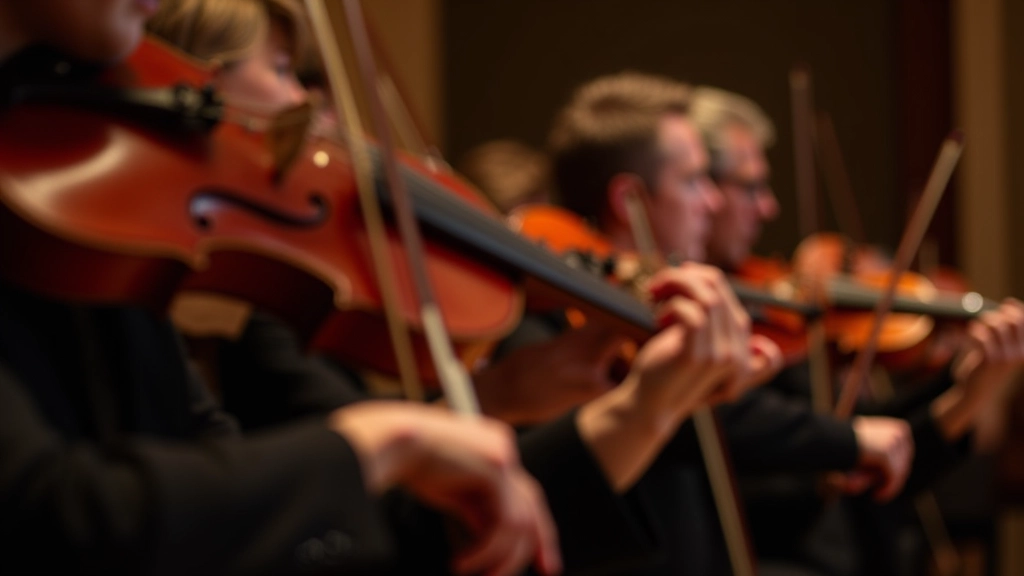
Community orchestras aren’t exclusive clubs for conservatory graduates. They’re welcoming spaces where adults discover or rediscover the joy of making music together. Whether you haven’t picked up an instrument since school or you’re returning after years away, there’s a place for you.
The magic happens in the rehearsal room. You’ll sit alongside people who share your passion — some with decades of experience, others just starting out. The conductors understand that their job isn’t just making beautiful music; it’s creating an environment where everyone feels they belong. Plus, there’s nothing quite like the energy of a full orchestra performance. That moment when 60 instruments come together in perfect harmony? You’ll feel it in your chest.
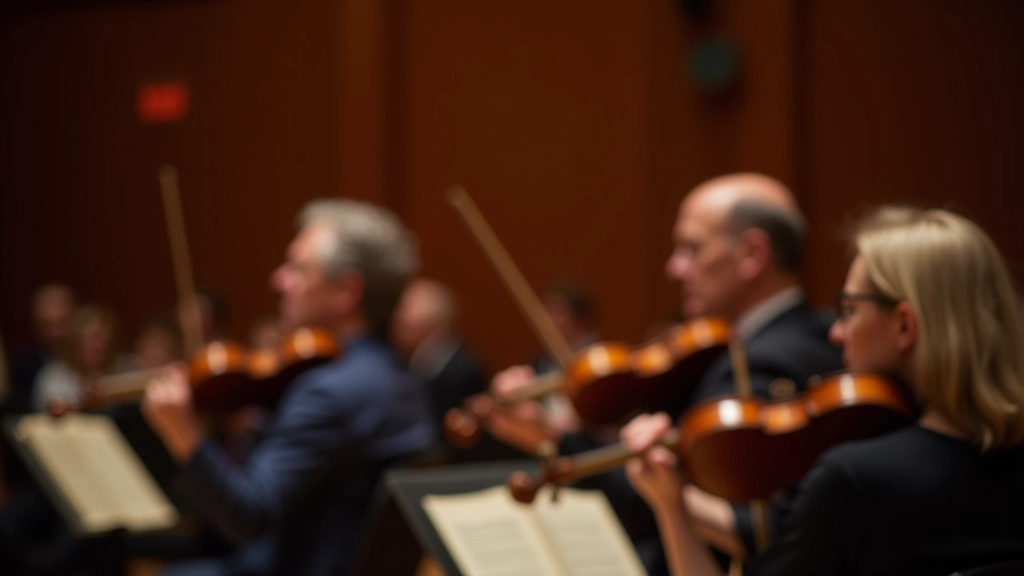
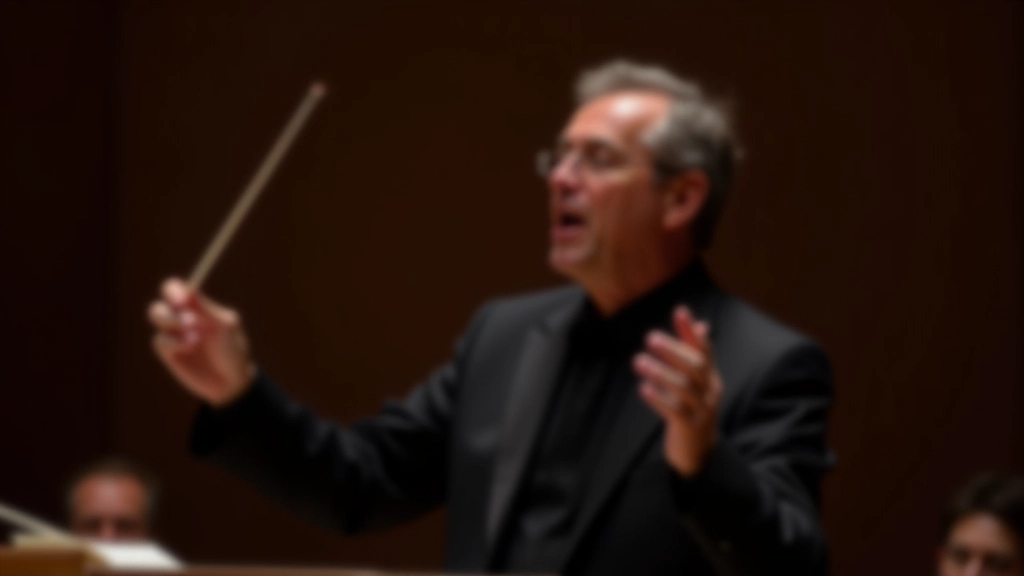
Start by checking what’s in your region. Most cities have at least one community orchestra — some have three or four. You’ll find them through local arts councils, municipal websites, or a quick search for “community orchestra near me.” Don’t overlook smaller towns either. Some of Portugal’s best-kept secrets are orchestras in places you’ve never heard of.
When you’ve found a few options, visit their websites. Look for rehearsal schedules, what instruments they need, and audition requirements. Here’s the truth: most community orchestras don’t hold auditions in the traditional sense. They might ask you to play a simple scale or passage just to gauge your level. That’s it. They want to know where you fit, not whether you’re perfect.
Pro tip: Contact the conductor or membership coordinator directly. Ask questions about their rehearsal style, the repertoire they’re learning, and what new members typically experience in their first month. You’ll learn more in a 5-minute conversation than from any website.
Most orchestras need strings above everything else — violins especially. But don’t panic if you played trumpet in high school and want to get back into it. Community orchestras need brass players, woodwinds, percussion, and everything in between. The key is being honest about what you want to play and what your skill level is.
Strings require the most consistent practice, usually 30-45 minutes daily if you’re learning fresh. Wind instruments are more forgiving if you’ve played before — muscle memory kicks in faster. Percussion is perfect if you want less home practice but still want to be essential to the ensemble. Most orchestras have 15-20 violins, 10-12 violas, 8-10 cellos, and 4-6 double basses. You’ll always have company in the string sections.
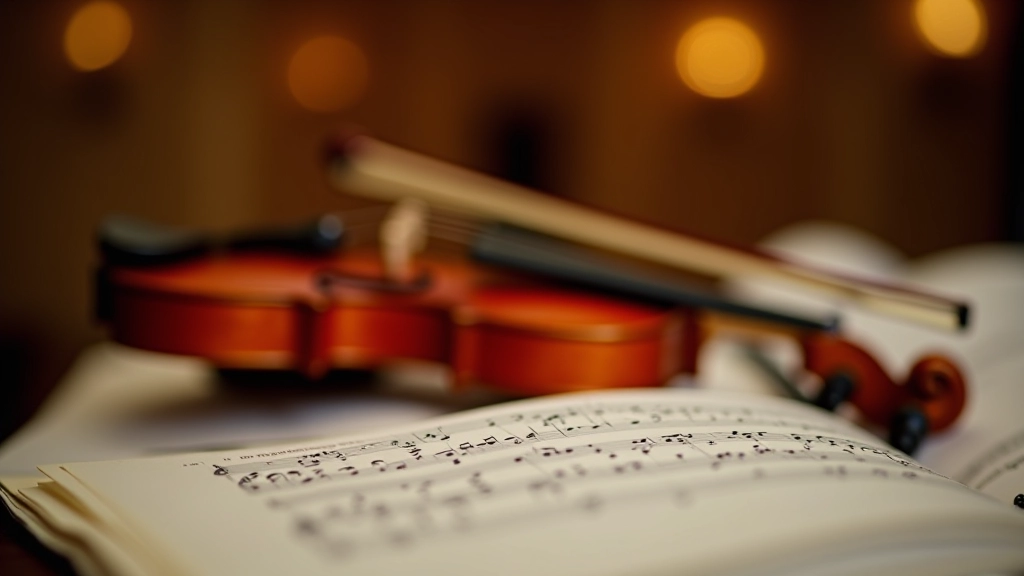
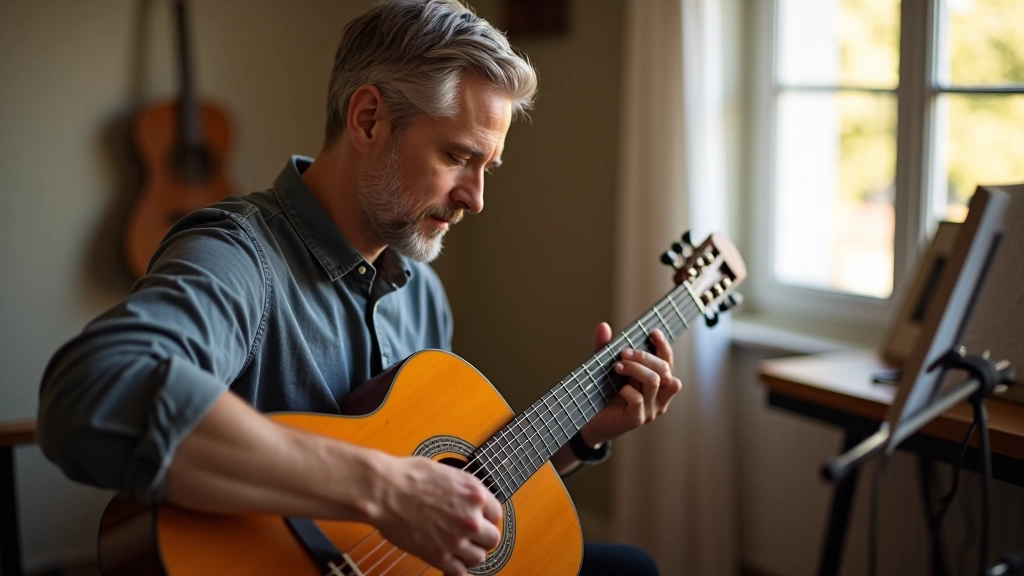
When you show up for your “audition,” you’ll typically play one or two short pieces or scales. The conductor listens for tone quality, rhythm stability, and whether you can follow direction. That’s it. They’re not looking for perfection. They’re looking for someone who can play reasonably in tune, keep decent time, and take feedback well.
Most orchestras place you in a section based on your level. First violin? Second violin? Back desk? It doesn’t matter. Everyone has a role. Back desk violins in a community orchestra often carry interesting counter-melodies. You’re not sitting around waiting for your moment — you’re actively making the music.
After placement, you’ll get a rehearsal schedule (usually 2-3 rehearsals per week, 2-2.5 hours each) and the music you’ll be learning. Most orchestras provide sheet music, though some ask you to print your own. You’ll attend your first rehearsal, sit with your section, and suddenly you’re part of an ensemble that’s been together for months. That’s when the real magic starts.
Most community orchestras meet 2-3 evenings per week, typically 7:30-10:00 PM. Some offer weekend rehearsals if evening slots don’t work. A standard season runs 8-10 months, with breaks around the holidays. You’re looking at 4-6 hours per week of ensemble time.
Budget 30-60 minutes daily depending on your level and instrument. String players typically need more practice time to stay comfortable with the repertoire. Wind players can get away with less if they’ve got solid fundamentals. Percussion players might practice 15-20 minutes to review rhythm changes.
Most orchestras do 2-3 main concerts per season, plus sometimes a spring pops concert or holiday show. You’re expected to perform in these. There’s also usually a final dress rehearsal the night before. So you’re looking at 8-12 evening commitments per season for performances and rehearsals.
Contact the orchestra directly about costs — they vary significantly. Some are free for residents, others charge modest annual fees to help with venue rental and sheet music. Many offer payment plans if needed. It’s worth asking if they have scholarships or sliding scale options.
“Honestly I was terrified going in. Hadn’t played cello since I was 16 and I’m 52 now. But the conductor made it clear that wasn’t a problem. After the first rehearsal I realized nobody cares if you’re rusty — they just want you there making sound with them. It’s been the best decision I’ve made in years.”
— Helena, cellist
“I never thought I’d perform again. Life got busy, kids, work, all that. But there’s something about being part of a 60-piece ensemble that makes you feel alive. We’re performing Brahms next month and yeah, we’re not Berlin Philharmonic, but we’re good. Really good. And we’re having fun doing it.”
— Rui, violinist
“The social side is incredible. You meet people from all walks of life — teachers, accountants, nurses, retired professors. Everyone’s united by this shared love of music. We grab coffee after rehearsals, we support each other’s solos, we celebrate together. It’s a real community.”
— Sofia, violinist
Use Google Maps, check local arts council websites, or search “[your city] community orchestra.” Make a list of 2-3 options within reasonable distance.
Send an email or call. Introduce yourself, mention your instrument and experience level (even if it’s been years). Ask about their current needs and when they’re accepting new members.
Most orchestras welcome observers or have informal audition dates. Go watch a rehearsal. You’ll feel the energy immediately and know whether it’s the right fit.
Complete whatever paperwork they need, pay any fees, and commit to attending your first month of rehearsals. By week four, you’ll wonder how you ever lived without this.
Community orchestras across Portugal are waiting for musicians like you. They’re not looking for perfection. They’re looking for people who love music enough to show up twice a week, put in the work, and experience something genuinely special. Whether you’re 42 or 72, whether you haven’t played since childhood or you played professionally decades ago — there’s a place for you.
The hardest part is making that first contact. Everything else flows naturally from there. So pick up your phone or open your email. Reach out to one orchestra this week. Tell them you’re interested. Ask about their next rehearsal. Show up. Sit down with your instrument. And let the music take it from there.


This article provides educational information about community orchestras in Portugal. While we’ve included general guidance based on typical orchestra practices, specific requirements, schedules, and procedures vary significantly by orchestra. Always contact your local community orchestra directly to confirm current information, audition requirements, rehearsal times, fees, and membership policies. Circumstances vary based on the individual orchestra’s resources, conductor preferences, and current season. We recommend visiting official orchestra websites and speaking directly with conductors or membership coordinators for the most accurate and up-to-date details specific to your area.